How to parallel park, step by step
Parallel parking looks hard because everything happens in reverse, but it is the same four moves every time. Learn the reference points once and the gap size stops mattering much.
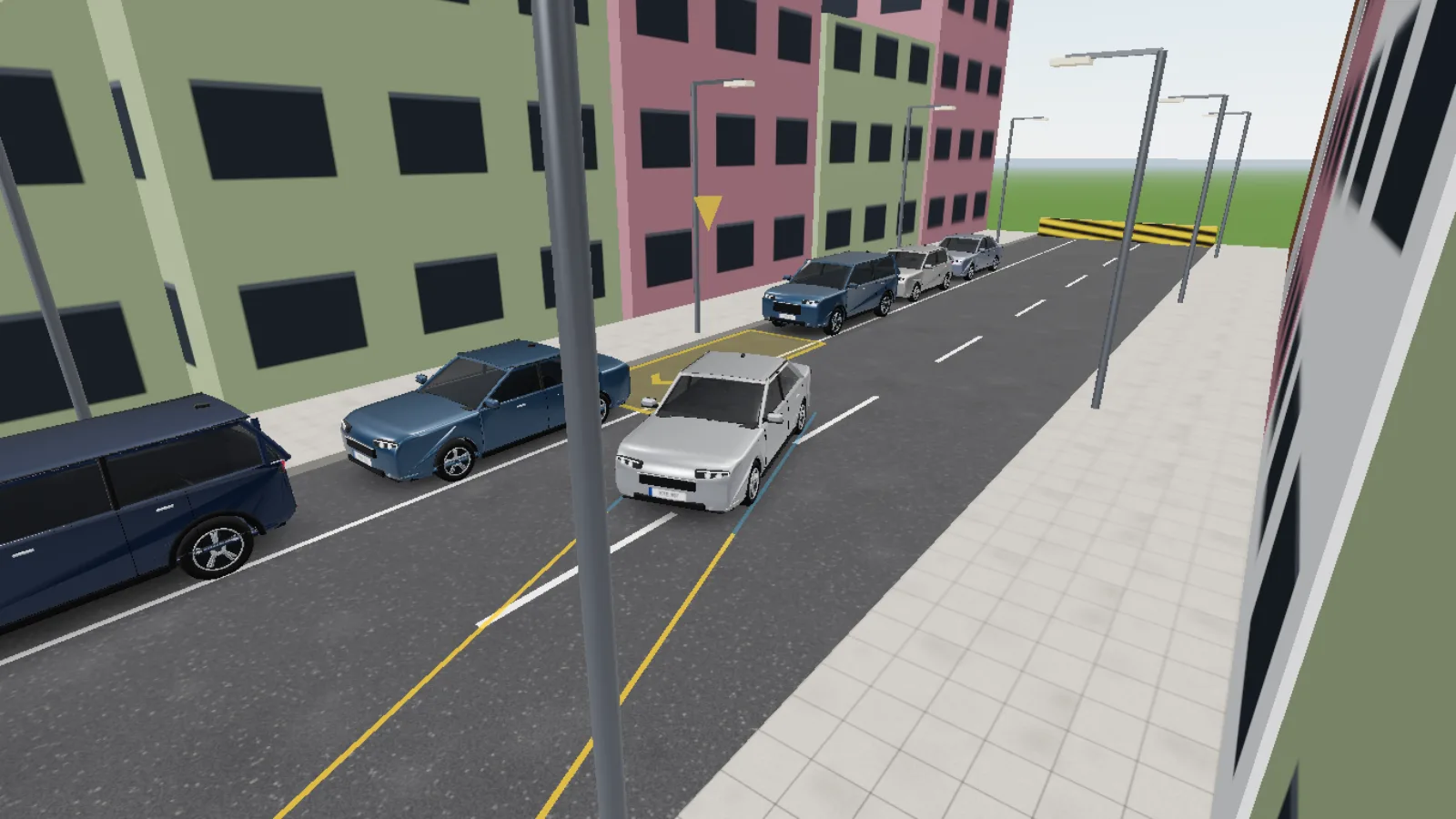
How big does the gap need to be?
Comfortable: your car’s length plus about 1.5 m. Possible in two or three moves: length plus 1 m. A typical sedan is 4.6 m long, so look for a gap of about 6 m. Smaller gaps are possible but take more back-and-forth moves.
The method
Signal and stop alongside
Indicate towards the kerb. Stop next to the car in front of the gap, about 0.8 m from it, with your rear bumper level with its rear bumper.
Reverse straight
Select reverse and check both mirrors and over your shoulder. Roll back slowly until your rear wheels are level with its rear bumper.
Full lock towards the kerb
Turn the wheel fully towards the kerb and keep reversing. The car swings into the gap.
Straighten at 45°
When the car is at about 45° — in the kerb-side mirror you see the whole front of the car behind — straighten the wheel and keep reversing.
Full lock away from the kerb
When your front bumper clears the rear of the car in front, turn fully the other way. The front swings in and the car comes parallel.
Finish and centre
Stop before touching the car behind, straighten the wheel and roll forward to leave space at both ends. About 20–30 cm from the kerb is ideal.
Practise it in the City Street chapter: gaps start roomy and shrink to just 1 m more than your car.
Practise nowCommon mistakes
- Starting too far from the parked car: you end up far from the kerb. 0.8 m is the target.
- Turning towards the kerb too early: the rear wheel climbs the kerb.
- Turning away too late: the front corner hits the car in front.
- Going fast: at walking pace you have time to correct. Use the brake, not the accelerator.